
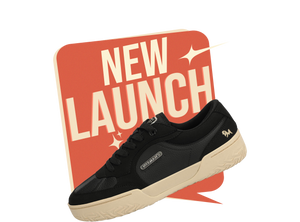
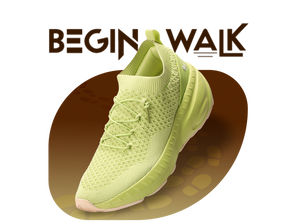
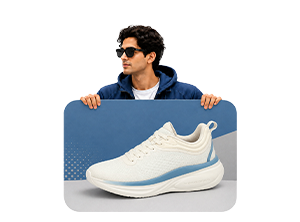

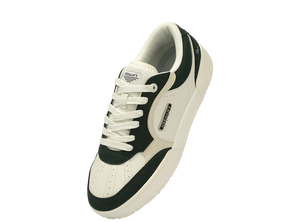











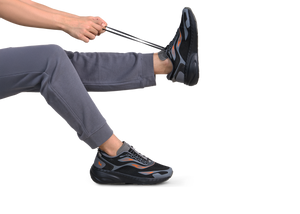
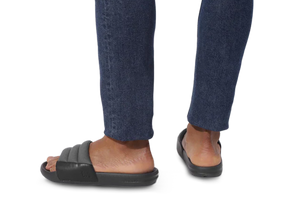
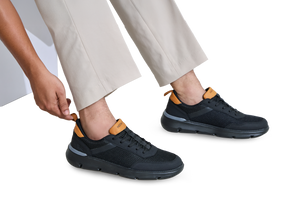









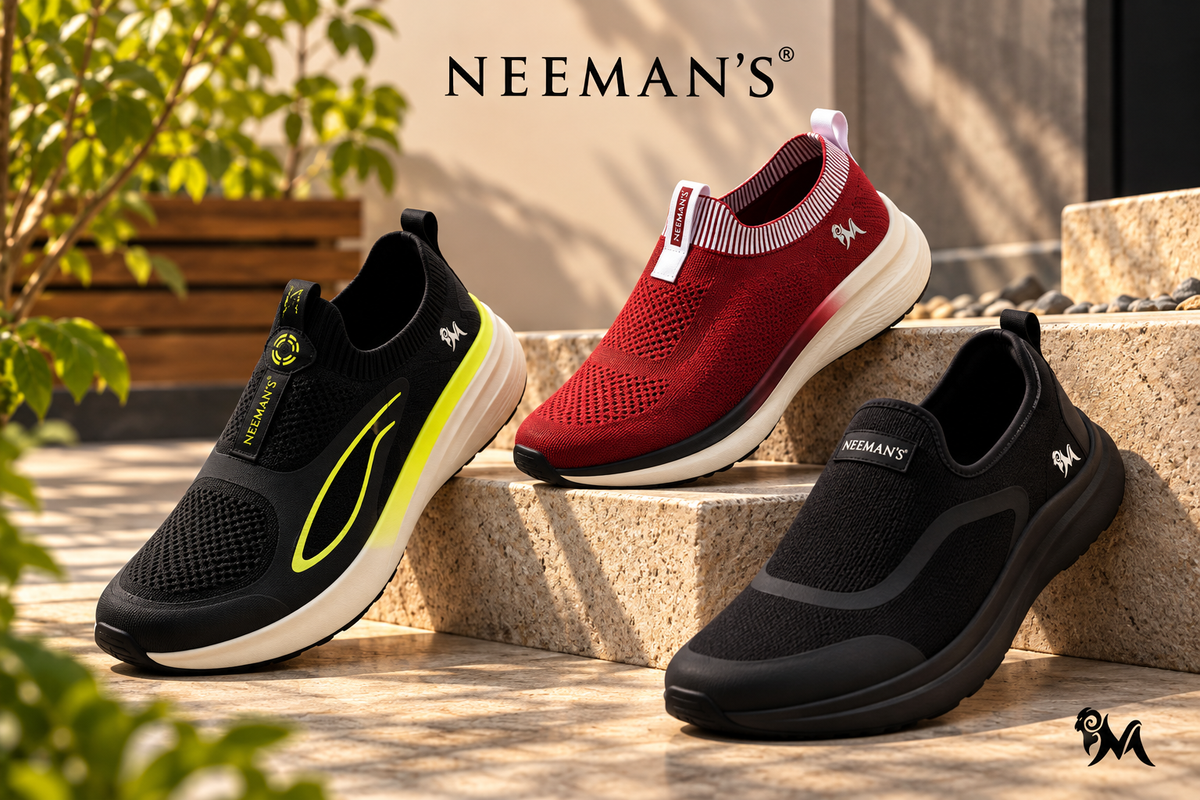
There is a specific point in most Indian men's lives where the daily lace-tying starts to feel like a small inconvenience. Not a big one. Just a small one, repeated twice a day, for years.
This is the point at which slip-on shoes for men start making sense. This blog is about slip-on shoes done right. Not as a compromise, but as a legitimate footwear category with its own strengths.
Why Slip-On Shoes for Men Are More Than a Convenience Play
The convenience angle is what gets men into the category. But convenience alone would not sustain the category the way it has.
-
Fewer failure points. No laces to fray, snap, or come undone at the wrong moment.
-
Faster morning routine. Genuinely saves a small daily annoyance.
-
Better for people with mobility limitations. No bending, no fine-motor tying.
-
Consistent fit across the day. No mid-day retightening needed.
The Five Slip-On Categories Worth Knowing
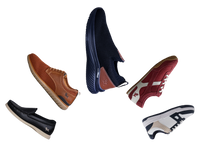
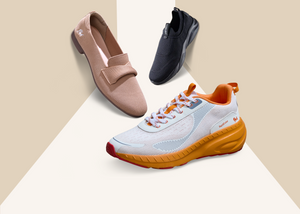
The slip-on category has fragmented meaningfully in the last five years.
-
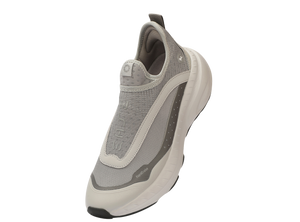
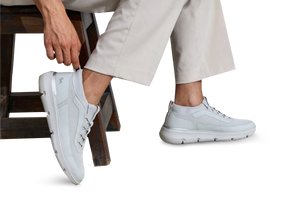
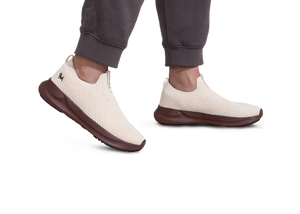
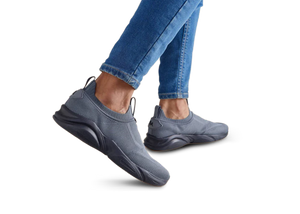
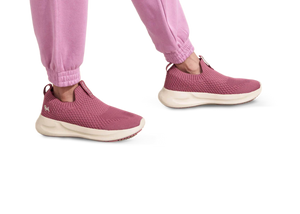
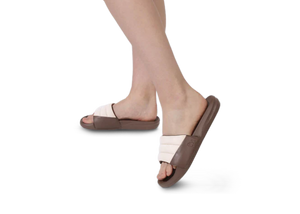
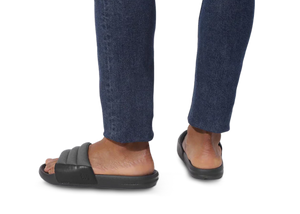
Casual slip-on sneakers. Everyday knit or canvas slip-ons. Daily driver.
-
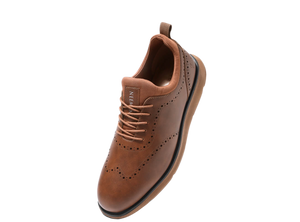
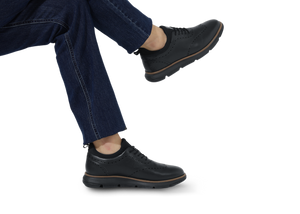
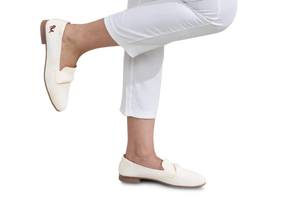
Formal slip-on loafers. Dressier, office-appropriate slip-ons. Semi-formal use.
-
Walking slip-ons. Cushioned for daily-distance wear, no laces.
-
Sports slip-ons. Gym-appropriate slip-ons with athletic construction.
-
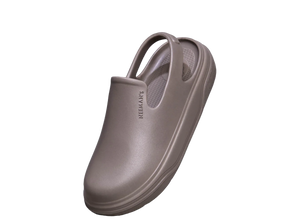
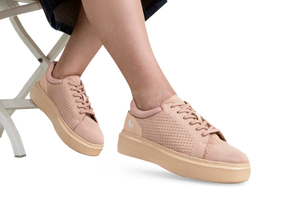
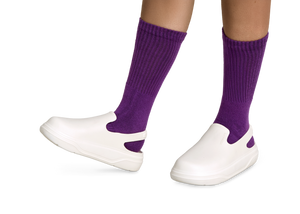
Chunky slip-ons. Style-forward silhouettes, contemporary chunky sole.
The Casual Slip-On for Daily-Driver Use
For most Indian men, the casual slip-on is the everyday-driver category.
Clean silhouette, cushioned footbed, breathable upper, no laces to tie. Right for weekends, casual work days, hybrid Fridays.
The casual slip-ons for men collection at Neeman's covers this everyday category.
The Formal Slip-On for Office-Ready Wear
For office days, business-casual settings, and semi-formal occasions, the formal slip-on is the category worth understanding.
Dressier upper materials, cleaner silhouette, and construction quality that reads intentional professional footwear rather than convenience shortcut.
The formal slip-ons for men collection at Neeman's covers this office-ready category.
What to Check Before Buying Slip-On Shoes for Men
Slip-ons need extra fit attention because there are no laces to compensate later.
-
Heel fit critical. No vertical slip when you walk. Cannot adjust after purchase.
-
Vamp snugness. Should feel secure without pinching.
-
Elastic panel quality if present. Cheap elastic loses tension in months.
-
Insole cushioning. Slip-ons are worn daily. Cushioning matters.
-
Return policy. Free size exchange is essential for slip-ons.
The Walking Slip-On for Long-Day Convenience
One under-appreciated category is the walking slip-on. Walking-shoe cushioning under a laceless upper.
For men whose daily reality involves long walks and hybrid dress codes, this hybrid delivers both walking-shoe comfort and slip-on convenience without compromising either.
The walking slip-ons for men collection at Neeman's covers this specific category.
The Fit Trap Specific to Slip-On Shoes
One mistake ruins more slip-on purchases than any other.
Buying a slip-on that fits loosely because "it will stretch". Modern slip-on uppers, whether knit, canvas, or leather, stretch minimally after the first month. A slip-on that fits loosely on day one will fit loosely on day 300. Buy for the fit you want to live with, not the fit you hope will materialise.
When Slip-Ons Are the Wrong Choice
Not every occasion is a slip-on occasion.
-
Strict-formal weddings. Traditional dress codes still expect laced formal shoes.
-
Formal client meetings in traditional sectors. Banking, law, government.
-
Formal funerals. Traditional respect signal favours laced shoes.
-
Job interviews for strict-corporate roles. Safer to over-formalise.
-
Heavy-load lifting. Slip-ons offer less foot security than laced shoes.
The Chunky Slip-On as Style-Forward Option
For men whose slip-on use skews style-forward rather than pure convenience, the chunky-sole slip-on is worth understanding.
Contemporary silhouette, distinctive sole presence, and construction that reads as intentional style rather than practical shortcut.
The chunky slip-ons for men collection at Neeman's covers this style-forward category.
Signs Your Slip-On Shoes Are Done
Slip-ons age gradually. Watch for these signs.
-
Heel slip developing. Started subtle, now obvious. Counter has stretched.
-
Elastic panel losing tension. The slip-on stops staying snug.
-
Sole worn thin. Especially at the heel.
-
Insole flattened. The bounce that used to be there is gone.
-
Upper cracking or pilling. Cosmetic end of life.
What Smart Slip-On Buyers Do Differently
The men who own slip-ons worth wearing daily share a few habits.
-
Prioritise fit over feature list. A well-fitting basic beats an ill-fitting feature-rich slip-on.
-
Match slip-on category to actual use. Casual, formal, walking, or sport.
-
Buy from brands with real exchange policies. Fit is critical, exchange makes the difference.
-
Rotate two pairs. Extends life meaningfully.
For a full slip-on rotation, the slip-ons for men, formal slip-ons for men, and casual slip-ons for men collections at Neeman's cover the range.
People Also Ask About Slip-On Shoes for Men
Are slip-on shoes for men suitable for daily office wear?
Formal slip-ons and clean-silhouette casual slip-ons pass in modern business-casual offices. Sport-styled and chunky slip-ons work better for weekends and creative workplaces. Strict-formal offices still expect laced shoes for daily wear.
Which slip-on shoes for men are best for walking?
Dedicated walking slip-ons with cushioned midsoles and grippy outsoles work best for daily-distance walking. Regular casual slip-ons handle short walks but lack the cushioning tuning for 10,000-step days. Match the specific category to actual use.
Do slip-on shoes for men stretch over time?
Modern slip-on uppers stretch minimally after the first month. Knit slip-ons stretch slightly, canvas less, leather barely at all. Buy for the fit you want to live with rather than the fit you hope will materialise. A loose slip-on stays loose.
Can slip-on shoes for men replace formal shoes?
Formal slip-ons and formal loafers can replace traditional formal shoes for modern business-casual and semi-formal contexts. For strict-formal settings including traditional weddings and government offices, laced formal shoes remain the safer choice.
How often should slip-on shoes for men be replaced?
For daily wear, expect 14 to 24 months of functional life. Watch heel fit and elastic panel tension for signs of ageing. A slip-on with a stretched heel counter or slack elastic no longer serves its convenience function and should be replaced regardless of upper appearance.

Leave a comment