























The 10,000-steps target has become the default measure of daily activity for a generation of Indian professionals. Most fitness apps assume it. Most doctors recommend it. Most men attempt it.
Fewer men think about what those 10,000 steps do to their feet in the wrong shoe. This blog is about walking shoes for men that keep up when you actually walk 10,000 steps a day.
Why 10,000 Steps Are Harder on Your Feet Than You Realise
10,000 steps a day comes to roughly 7 kilometres. That is a lot of impact repetition.
Each step delivers force through your heel, ball of foot, and toes. In a shoe designed for walking, this force gets absorbed by cushioning tuned for walking speeds. In a shoe designed for something else (running, casual, sport), the cushioning is tuned for a different impact profile, and your feet, knees, hips, and lower back absorb the mismatch.
The Walking Shoe vs the Running Shoe: The Difference Nobody Explains
Both look similar. They are not the same shoe.
-
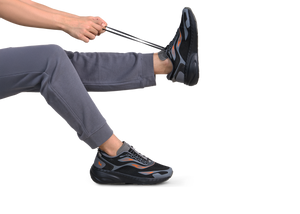
Running shoes. Forward heel-to-toe drop, thick cushioning tuned for repeated running impact.
-
Walking shoes. Flatter geometry, firmer cushioning tuned for walking pace and sustained hours.
-
Running outsole. Grip tuned for road-running push-off.
-
Walking outsole. Grip tuned for varied surfaces and standing stability.
-
Weight difference. Walking shoes can afford slightly more weight because pace is lower.
The Cushioning Question for 10,000-Step Walkers
More cushioning is not always better for walking.
Very soft cushioning that feels great in the store compresses meaningfully across 10,000 steps and provides less support by hour five. Firmer, well-tuned cushioning that feels moderate in the store performs more consistently across the day. For 10,000-step walkers, look for cushioning that stays responsive rather than the softest possible feel.
The Best Walking Shoe Category for Daily Indian Walkers
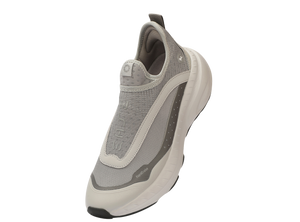
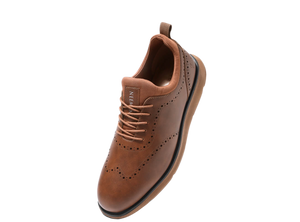
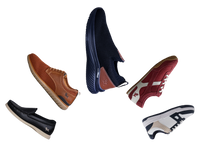
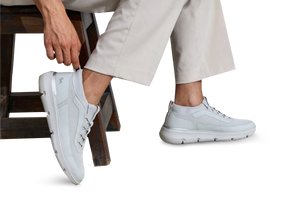
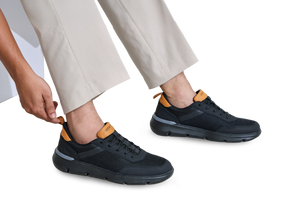
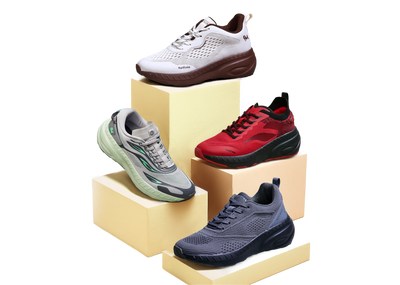
For most Indian men logging 10,000 steps across metro commutes, office corridors, and evening walks, the everyday walking shoe is the right category.
Cushioned for daily distance, silhouette quiet enough to work in business-casual settings, breathable upper for Indian humidity.
The walking shoes for men collection at Neeman's covers this category.
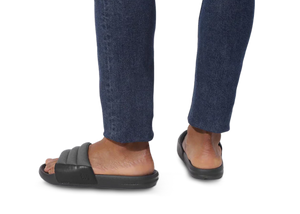
The Lace-Free Walking Shoe for Convenience
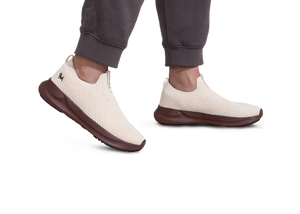
One category worth understanding for men who prioritise convenience is the lace-free walking shoe.
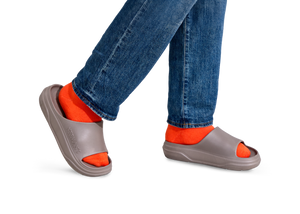
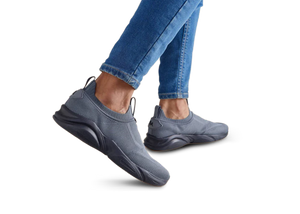
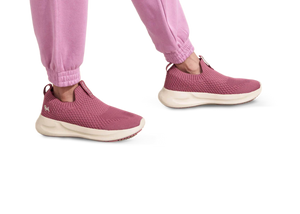
Slip-on construction with proper walking-shoe cushioning underneath. Faster to put on, easier for hybrid workdays, comfortable enough for full 10,000-step days.
The walking shoes for men without lace collection at Neeman's covers this specific category.
What to Check Before Buying Walking Shoes for Men
Before spending, run through this list.
-
Weight under 300 grams. Every 100g matters over 10,000 steps.
-
Cushioning that stays responsive. Firm-moderate holds up better than soft.
-
Breathable upper. Knit or mesh for Indian humidity.
-
Outsole tread for hard floors. Concrete and marble differ from park paths.
-
True-to-size fit. Walking demands more space than sport shoes for foot swelling.
The Black Walking Shoe for Office Days
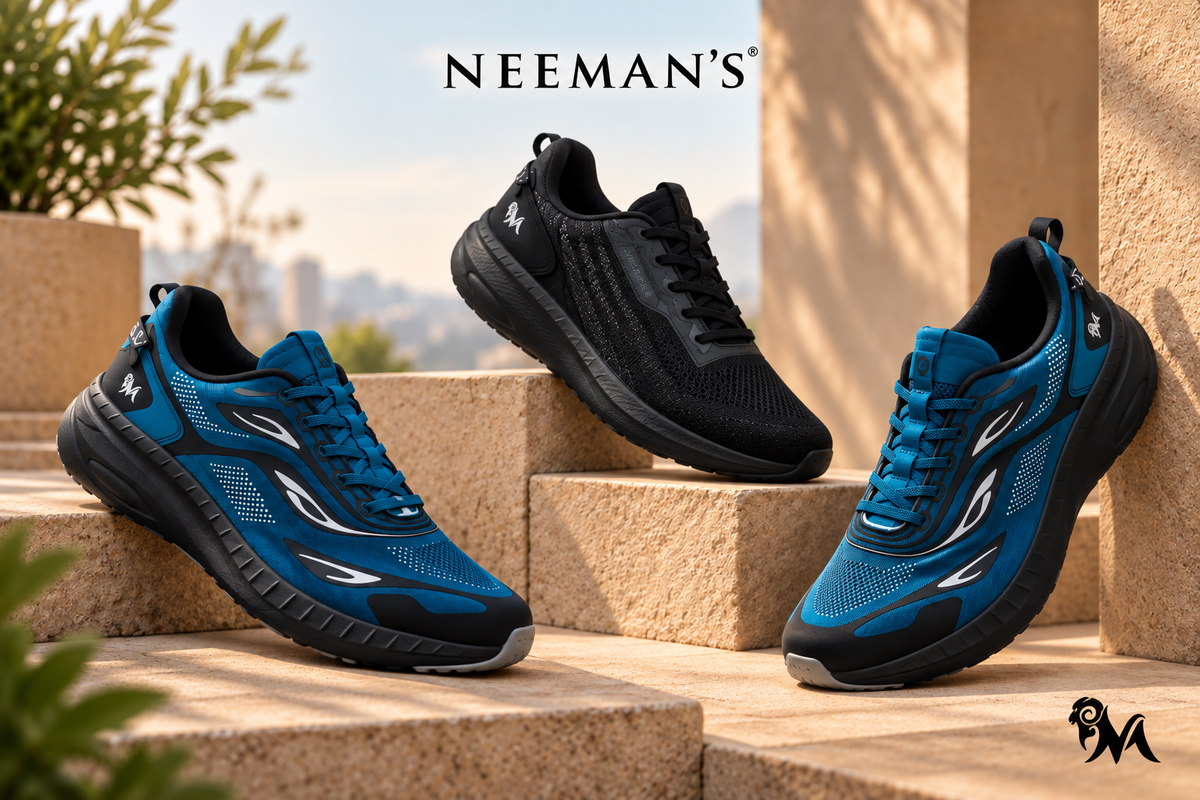
One category most Indian men underrate is the black walking shoe.
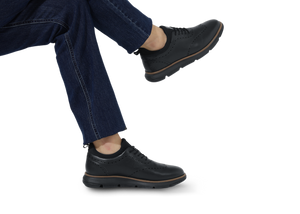
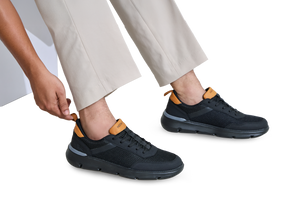
A walking shoe engineered for full-distance daily wear but styled quietly enough to pass at business-casual and hybrid office days. For men whose commute is a substantial part of their 10,000 steps, this dual-purpose category earns its price.
The black walking shoes for men collection at Neeman's covers this office-friendly category.
The Weight Question That Compounds Over 10,000 Steps
Every 100 grams of shoe weight adds roughly 1% to the energy cost of each step.
Over 10,000 steps, that compounds. A pair 100g heavier than needed effectively adds 100 steps of extra work. For daily walkers, look for pairs under 300g per shoe. Under 250g is even better. Above 350g, and you feel it by 4 PM.
The Two-Pair Walking Rotation for Serious Walkers
Men who consistently log 10,000+ steps a day benefit from rotating two walking shoes.
-
Alternating pairs lets midsoles decompress. Foam needs 24 hours of no-load time.
-
Two pairs alternated last more than twice as long as one worn daily. Better cost per wear.
-
Different silhouettes cover different day types. Office day, weekend day, casual day.
-
Fresh cushioning matters at hour eight. When it matters most.
Signs Your Walking Shoes Are Done
Walking shoes fail invisibly. Watch for these signs.
-
Midsole compression. Press with your thumb. If it barely resists, cushion is gone.
-
Outsole heel wear. Uneven wear changes how you walk.
-
New foot or knee pain. Often shoe-caused before body-caused.
-
Interior fabric worn. Blisters become inevitable.
-
End-of-day foot fatigue that used not to exist. The shoe has aged past you.
What Smart Walking Shoe Buyers Do Differently
The men who own walking shoes that keep up with 10,000 steps share a few habits.
-
Match cushioning to actual daily distance. Not to the maximum you might walk.
-
Rotate two pairs for regular 10,000-step days. Extends life of both.
-
Replace when comfort drops. Not when appearance drops.
-
Prioritise weight and cushioning response. Over branding or colour.
For a full walking rotation, the walking shoes for men, black walking shoes for men, and sneakers for men collections at Neeman's cover the range.
People Also Ask About Walking Shoes for Men
How are walking shoes for men different from running shoes?
Walking shoes have flatter geometry, firmer cushioning tuned for walking pace, and outsoles designed for varied-surface use. Running shoes have forward heel-to-toe drop, softer cushioning tuned for running impact, and outsoles designed for repeated push-off. Used interchangeably, both perform worse than they should.
Which walking shoes for men are best for 10,000 steps a day?
Lightweight walking shoes under 300 grams per shoe with responsive cushioning that stays firm across hours work best for 10,000-step walkers. Breathable knit uppers handle Indian humidity across sustained wear. Rotating two pairs meaningfully improves the daily walking experience.
How often should walking shoes for men be replaced?
For 10,000 steps daily, expect 12 to 18 months of functional life before cushioning meaningfully compresses. Rotating two pairs extends this. Watch midsole response and end-of-day comfort rather than surface appearance to know when to replace.
Can walking shoes for men be worn to office?
Clean-silhouette walking shoes in black, grey, or muted neutral colours pass in modern business-casual offices. Traditional stiff-leather formal shoes are more appropriate for strict-formal contexts. For men whose commute is part of their step count, the walking-shoe-as-office-shoe hybrid is genuinely useful.
Are walking shoes for men worth the extra price over sneakers?
For men who genuinely walk 10,000+ steps a day, yes. The specific cushioning tuning and outsole design deliver comfort that lifestyle sneakers cannot match across sustained hours. For men logging fewer than 6,000 steps a day, a well-made everyday sneaker often covers the need adequately.

Leave a comment