






















Walk into any Indian gym on a Monday evening and watch the shoes. Some men lift weights in cushioned running shoes. Some do HIIT in stiff-soled cross-trainers. Most are in whatever pair they own, doing whatever the day's workout demands.
This blog is about the gym shoes for men question that actually matters. Not which brand is best, but which type of gym shoe fits which training style.
Why the Gym Shoe You Own Is Probably Wrong
Gyms are not one activity.
Weightlifting, HIIT, functional training, treadmill running, spin, yoga, bodyweight training. Each puts different demands on a shoe. A shoe optimised for one is often wrong for another. This is why professional strength athletes wear one shoe for squats and a different shoe for running warmups. The shoe is not interchangeable.
The Four Gym Shoe Categories Worth Understanding
Get these straight before spending.
-
Running shoes. Thick cushioned midsole. For treadmill cardio and jogging. Wrong for weights.
-
Cross-trainers. Flatter, stable soles. Right for mixed cardio and moderate lifts.
-
Weightlifting shoes. Flat, firm, elevated heel. For heavy squats and deadlifts.
-
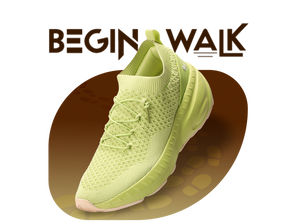
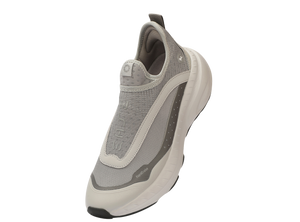
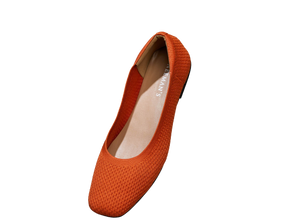
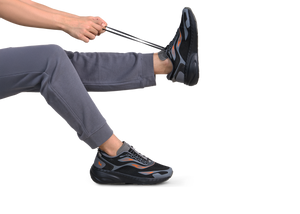
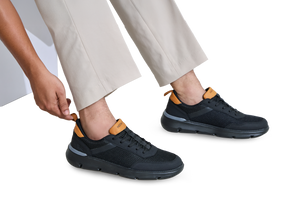
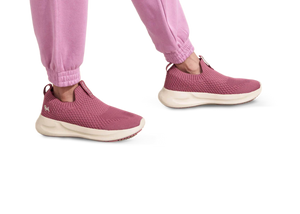
Knit trainers. Lightweight, flexible. Right for HIIT and functional circuits.
The Weightlifting Problem With Running Shoes
If you lift weights, running shoes are actively working against you.
The soft, compressible midsole that makes running shoes good for running makes them unstable under load. When you squat with 60 kilos on your back in a running shoe, the compressible foam under your heels shifts unpredictably. Over time, this teaches your body movement patterns that are less stable than they should be.
The Cross-Trainer Category Most Gym-Goers Need
For gym-goers whose sessions mix cardio and moderate lifting, a cross-trainer covers both jobs better than a running shoe covers either.
Flatter than a running shoe, more stable under lateral moves, and cushioned enough that treadmill work still feels comfortable.
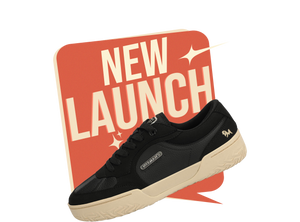
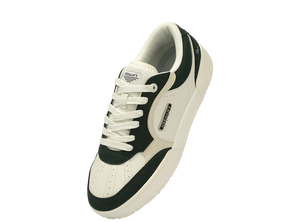
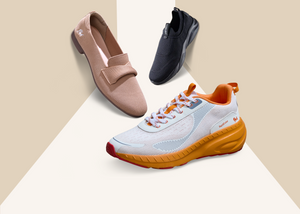
The gym shoes for men collection at Neeman's covers cross-trainer and knit-trainer options.
The Knit Trainer for HIIT and Functional Work
For gym-goers whose sessions skew toward HIIT, functional training, or high-cardio circuits, a lightweight knit trainer often outperforms both traditional running shoes and traditional cross-trainers.
The knit upper flexes with your foot during lateral moves. The sole is tuned for quick direction changes. The lighter weight means less energy cost across the session.
What to Check Before Buying Gym Shoes for Men
Before spending, run through this list.
-
Match to primary activity. Cardio-heavy, lift-heavy, or mixed. The category changes.
-
Sole stability. Press the sides. Should not collapse inward.
-
Weight under 300 grams. Lighter feels significantly different over an hour.
-
Breathable upper. Knit or mesh for hour-long sessions.
-
Grippy outsole. Especially important for lateral moves and box jumps.
The Walker for Warm-Ups and Recovery
One underrated part of a gym rotation is a proper walking shoe for warm-up and recovery sessions.
Not for lifting, not for HIIT. For the twenty minutes of steady walking before and after a workout, or for active-recovery days between hard sessions.
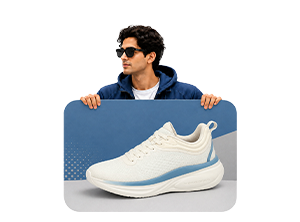
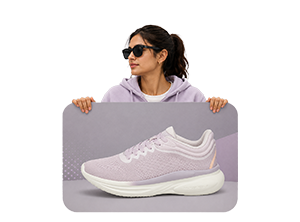
The walking shoes for men collection at Neeman's covers this category.
What Not to Do at the Gym in the Wrong Shoe
Some habits do compounding damage.
-
Do not squat or deadlift in running shoes. Even one session teaches unstable movement patterns.
-
Do not do lateral work in weightlifting shoes. Rigid sole punishes side-to-side movement.
-
Do not do rope skipping in barefoot shoes. Repeated impact needs cushioning.
-
Do not do serious cardio in cross-trainers. Firmer sole punishes long-distance running.
The Two-Shoe Gym Rotation Most Men Should Own
For men who take training seriously, a two-shoe rotation makes more sense than one shoe trying to cover everything.
-
Pair one. Cardio and HIIT. Light, breathable, moderately cushioned.
-
Pair two. Lifting. Flatter, firmer, more stable.
-
Between them. They cover 90% of what a working gym-goer does.
-
Cost impact. Two pairs used properly last longer than one used for everything.
Signs Your Gym Shoes Are Done
Gym shoes fail invisibly. Watch for these signs.
-
Midsole compression. Cushioning that no longer resists your thumb.
-
Outsole tread flattening. Grip is compromised.
-
Sole sides bulging or collapsing. Structural failure. Ankle-injury risk.
-
New joint pain during workouts. Often shoe-caused before body-caused.
-
Interior fabric worn through. Blisters become inevitable.
What Smart Gym Shoe Buyers Do Differently
The men who own gym shoes that actually work for their training share a few habits.
-
Match shoe to specific training. Not to the general "gym" label.
-
Rotate two pairs for regular training. Extends life meaningfully.
-
Air them out between sessions. Prevents odour and interior damage.
-
Replace at signs of instability. Not when the upper looks tired.
If you are building an athletic rotation, the gym shoes for men, running shoes for men, and walking shoes for men collections at Neeman's cover the range.
People Also Ask About Gym Shoes for Men
Are running shoes suitable as gym shoes for men?
Running shoes work for treadmill cardio but are wrong for weightlifting. The compressible midsole is unstable under load, which shifts weight distribution during squats and deadlifts. For pure cardio, running shoes work. For mixed sessions with lifts, a cross-trainer or knit trainer is better.
Which gym shoes for men are best for weightlifting?
Flat, firm-soled trainers or dedicated weightlifting shoes work best for lifts. The stable sole transfers force from your feet into the bar without compression loss. For most gym-goers who mix cardio and moderate lifts, a cross-trainer covers both jobs better than either specialised shoe.
How often should gym shoes for men be replaced?
For regular training three to four times a week, expect 12 to 18 months of functional life. For lighter use, two to three years. Watch midsole compression and sole stability rather than surface appearance. New joint pain during training often signals shoe failure.
Can gym shoes for men be worn casually outside the gym?
Clean-silhouette gym shoes with restrained athletic detailing pass as casual daily wear. Aggressive-styled trainers with visible tech features and loud branding look out of place in casual outfits. The daily-use crossover works better for cross-trainers than for dedicated weightlifting shoes.
Do gym shoes for men need break-in?
Modern athletic shoes typically need no break-in. If the fit feels wrong on day one, it will not improve with wear. Exchange rather than pushing through discomfort. Break-in is a leather-shoe concept that does not apply to modern engineered athletic footwear.

Leave a comment