


























The Oxford shoe is the most misunderstood piece of footwear in Indian menswear. Everyone knows it exists. Everyone thinks of it as "formal". Almost nobody wears it correctly.
It gets bought for weddings and worn to office. Bought for office and worn to weddings. Bought once, worn twice, and then left in a box because nobody is sure what it is actually for anymore. This blog is about the Oxford done right.
What Actually Makes an Oxford an Oxford
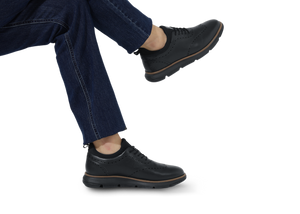
The defining feature is closed lacing.
The eyelet flaps, the pieces of leather that hold the laces, are sewn under the vamp, the main piece of the shoe covering your foot. This creates a clean, seamless silhouette at the top of the shoe. Every other detail is variation.
Oxford vs Derby: The One Detail That Matters
A Derby looks similar to an Oxford at first glance but has open lacing. The eyelet flaps are sewn on top of the vamp, visibly separate from it.
-
Oxford. Closed lacing. Most formal. Traditional finance, law, formal weddings.
-
Derby. Open lacing. Less formal. Modern offices, business casual.
-
Fit difference. Oxfords fit tighter. Derbys accommodate higher insteps.
-
Wear difference. Oxfords are less forgiving on sizing. Derbys are more daily-wearable.
The Occasions Where an Oxford Is Still Right
The list is shorter than most Indian men think.
-
Genuinely formal weddings. Reception dinners at five-star hotels, black-tie events.
-
Traditional finance and law offices. Where dress codes have not modernised.
-
Court appearances. Formal expectations still apply.
-
Formal funerals. Traditional respect signal.
-
Job interviews. For strict-corporate roles.
The Occasions Where an Oxford Is Actually Wrong
Modern Indian life has fewer strict-formal occasions than most Oxford owners realise.
-
Business-casual offices. Reads over-formal.
-
Modern weddings. Sangeet, mehendi, reception dinners with hybrid dress codes.
-
Casual dinners and evening events. Reads try-too-hard.
-
Any setting with hours of standing. Comfort is compromised.
-
Hot summer occasions. Traps heat, humidity worse than knit alternatives.
The Oxford Knit Shift That Changes the Category
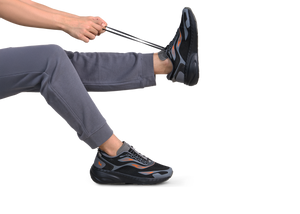
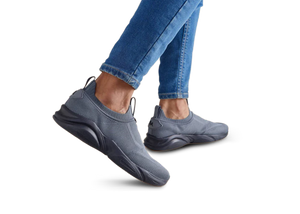
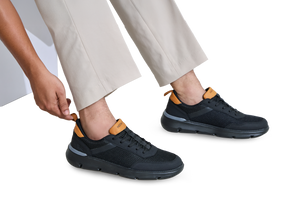
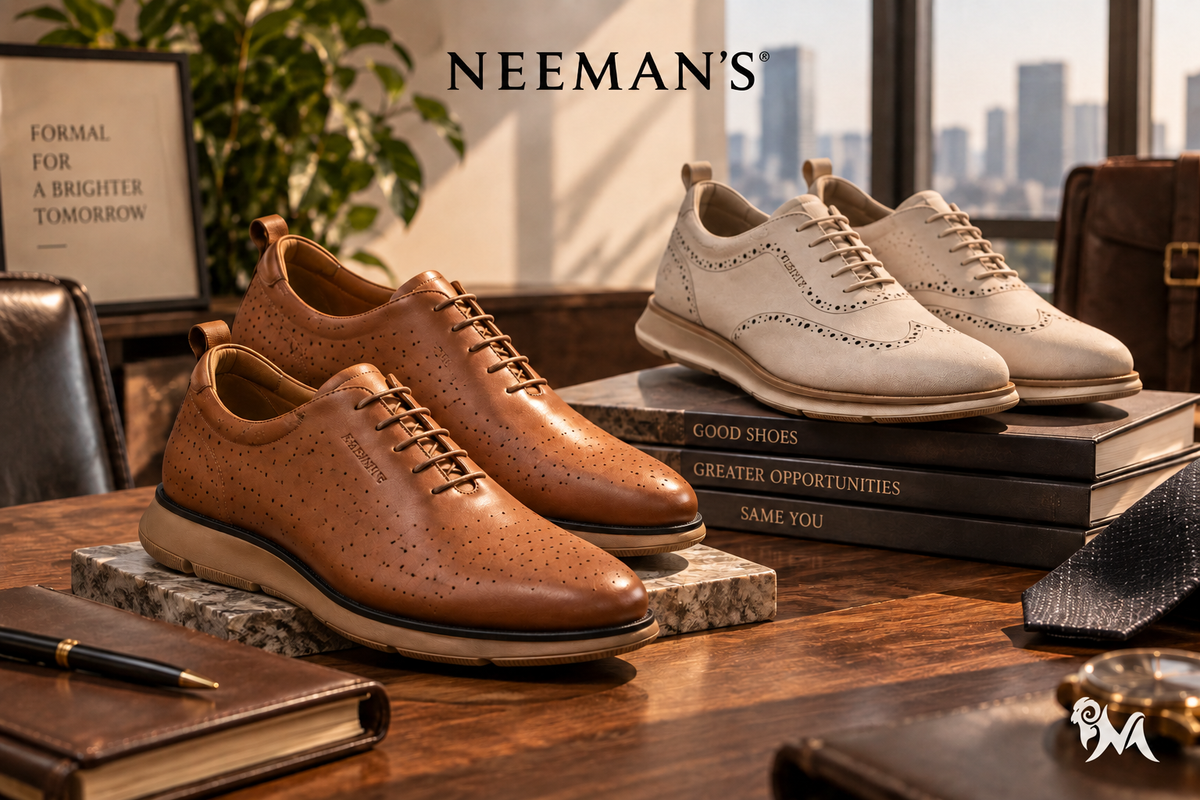
One of the more interesting developments in Indian menswear has been the rise of the knit-upper Oxford.
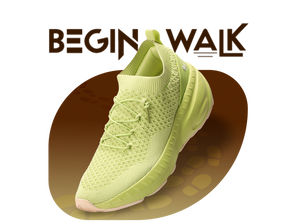
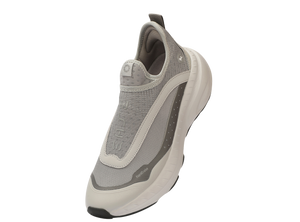
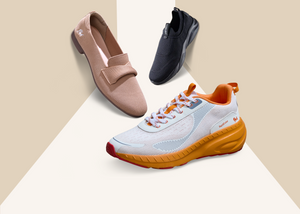
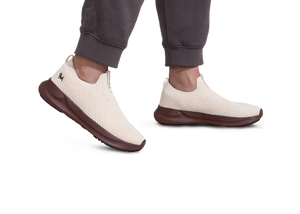
Same silhouette from a metre away. Same closed-lace geometry, same clean formal reading. But the upper is woven fabric instead of leather. This means the shoe is genuinely breathable, does not need break-in time, and holds up better in Indian heat.
The oxford shoes for men collection at Neeman's includes modern knit-Oxford options alongside traditional leather.
What to Check Before Buying Oxford Shoes for Men
Before spending, run through this list.
-
Upper material. Full-grain leather or engineered knit. Not bonded or PU leather.
-
Sole construction. Stitched holds up longer than glued.
-
Heel counter structure. Press the back. Should resist your thumb.
-
Fit at heel and vamp. No slip, no daylight, no pressure.
-
Break-in requirement. Real leather needs a week of shorter wears. Knit does not.
The Brogue Alternative Worth Considering
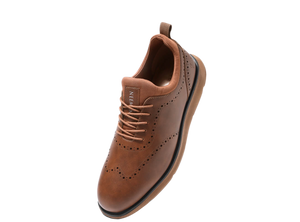
For men who want the Oxford silhouette without the strictest formal reading, the brogue Oxford is a middle path.
A traditional Oxford with decorative perforations along the seams. Brogues sit slightly less formal than plain Oxfords, which makes them more versatile in modern Indian dress codes. Formal enough for most Indian formal settings, casual enough not to look out of place at less-formal events.
The Colour Rule for Oxford Shoes for Men
Traditional formal-shoe guidance places black at the top of the formality ladder.
-
Black. Most formal. Universal answer. Works with navy, grey, charcoal, black suits.
-
Dark brown. Slightly less formal. More versatile in business-casual.
-
Tan or light brown. Least formal. Reads smart-casual, not formal.
-
If you own one Oxford. Black covers more occasions than any other single choice.
The Fit Challenge Specific to Oxfords
Oxfords fit tighter than Derbys because the closed lacing has less give.
The eyelet flaps cannot open wider to accommodate a higher instep. This makes Oxfords less forgiving on fit and more important to get right on first purchase. Buy from a brand with a real return-and-exchange policy, and try walking in them at home for at least five minutes before committing.
Signs Your Oxford Shoes Are Done
Oxfords age gradually. Watch for these signs.
-
Sole thinning at the heel. Grip and cushioning both compromised.
-
Upper cracking at flex points. The vamp bends every step. Eventually splits.
-
Heel counter collapsed. Shape is gone even after polishing.
-
Persistent deep creases. End of cosmetic life.
-
Lace eyelets loose. Structural weakness in the vamp.
What Smart Oxford Buyers Do Differently
The men who own Oxfords that actually get worn share a few habits.
-
Buy for the occasions you actually have. Not the imagined ones.
-
Break in before the event. Never wear new leather Oxfords to a wedding.
-
Use shoe trees. Maintains shape between wears.
-
Polish monthly. Ten minutes keeps leather good for years.
If you want alternatives to traditional Oxfords, the oxford shoes for men, men formal shoes, and loafers for men collections at Neeman's cover the range.
People Also Ask About Oxford Shoes for Men
Are Oxford shoes for men appropriate for daily office wear?
Oxfords work for traditional finance, law, and strict-corporate settings. For modern business-casual offices, Oxfords often read over-formal. Derbys, monks, and formal loafers cover most modern Indian professional life better than Oxfords do.
What is the difference between Oxford and Derby shoes for men?
Oxfords have closed lacing sewn under the vamp. Derbys have open lacing sewn on top. Oxfords are more formal but less forgiving on fit. Derbys are slightly less formal but more comfortable across daily wear and accommodate higher-instep feet.
Do Oxford shoes for men need break-in?
Real leather Oxfords need a week of shorter wears before committing them to a full-day event. Buying leather Oxfords for a wedding two days away is one of the most common mistakes Indian men make. Knit-Oxford variants typically need no break-in.
Can Oxford shoes for men be worn with jeans?
Traditional formal Oxfords look severe with denim. Brogue Oxfords in warmer colours pair with dark straight-leg denim in smart-casual contexts. Knit-Oxford variants work with denim more easily. For daily denim wear, Derbys or loafers usually pair better.
How often should Oxford shoes for men be replaced?
Well-cared-for leather Oxfords last three to seven years of regular wear. Knit-Oxford variants last two to four years. Watch sole thinning, upper cracking at flex points, and heel counter collapse rather than surface appearance to decide when to replace.

Leave a comment