





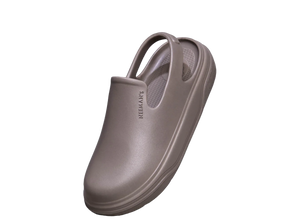

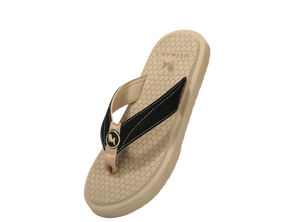


























There is a specific pair of slippers in the memory of most Indian men. Leather. Well-worn. Belonging to a father, an uncle, or a grandfather. The kind of pair that had been repaired twice, resoled once, and still looked better than the new synthetic pair on the shoe rack next to it.
This blog is about leather slippers for men. Why they are a small luxury worth giving yourself, what separates a good pair from a bad one, and how modern versions have added comfort without losing the essential character.
Why Leather Slippers for Men Are a Small Luxury Worth Buying
The word "luxury" gets misused in Indian consumer marketing. It usually means expensive-and-branded rather than actually well-made.
Leather slippers are one of the few consumer categories where the word still means what it should. A genuine step up in material, feel, and longevity from the mass-market alternative, at a price within reach of most Indian professionals. A good leather pair costs two to three times what a good synthetic pair does. But it lasts three to five times as long and feels better every month rather than worse.
The Three Things That Make Leather Slippers Worth It
Not every "leather" slipper is a real leather slipper.
-
Real leather upper. Genuine leather, not bonded or PU leather. Breathes and moulds to your foot.
-
Cushioned footbed construction. Leather-lined or fabric-lined footbed on a cushioned midsole.
-
Rubber outsole with tread. Better daily-wear grip than leather-only soles.
-
Multi-point strap construction. Distributes weight rather than concentrating pressure.
The Everyday Leather Slipper Every Wardrobe Should Have
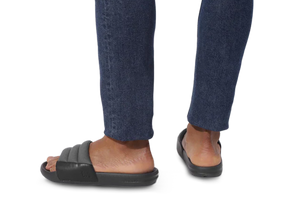
For most Indian men buying leather slippers, the daily-driver pair is the right first purchase.
Clean silhouette, cushioned footbed, neutral colour, versatile enough to work at home and appropriate enough to answer the door in.
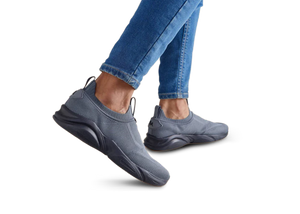
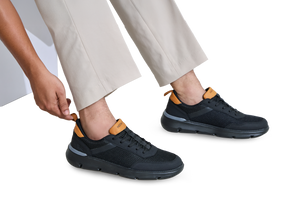
The mens slippers collection at Neeman's covers leather daily-drivers across colours.
The Brown Leather Slipper for Warmer Character
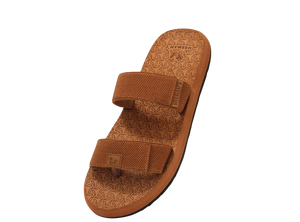
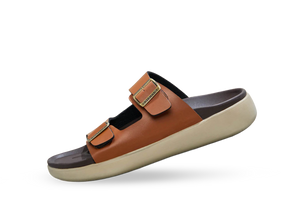
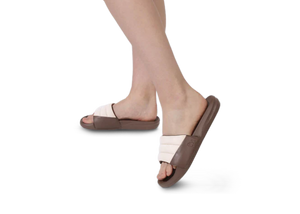
Brown leather slippers read differently from black. Warmer, less severe, more forgiving of casual outfits.
For men who want their at-home footwear to feel less formal and more everyday, brown is often the better choice than black. The deep brown ages beautifully over months of wear.
What to Check Before Buying Leather Slippers for Men
Before spending, run through this list.
-
Genuine leather label. Not "leatherette" or "PU leather".
-
Full-grain over corrected-grain. Ages better over years.
-
Rubber outsole. Better than leather-only sole for daily use.
-
Cushioned midsole. Press with your thumb. Should resist.
-
Return policy. Leather sizing varies. Real exchange window matters.
The Colour Options Beyond Brown and Black
One modern shift in leather slippers is the introduction of colour beyond traditional brown and black.
Deep blues, muted greens, and other jewel tones. Done well, they read as playful rather than tacky. Worth considering as a second or third pair once you own a neutral anchor.
The Care Routine That Makes Leather Slippers Last Years
Leather care is simpler than most Indian men assume.
-
Weekly wipe-down. A soft cloth is enough.
-
Quarterly conditioning. Neutral leather conditioner from any chemist.
-
Store out of direct sun. Sunlight dries the leather and eventually cracks it.
-
Avoid monsoon exposure. Water stains leather in ways that do not fully come out.
-
Ten minutes across a year. Keeps a pair looking good for two to three years.
The Monsoon Rule for Leather Slippers
One thing consistently ruins good leather slippers. Monsoon exposure.
Even a couple of walks through wet market floors can stain the leather in ways that do not recover. The rule most well-prepared Indian men follow: keep a separate synthetic pair for the monsoon months and save the leather pair for the drier eight months of the year.
The Cost-Per-Wear Maths for Leather Slippers
A pair of quality leather slippers costs about Rs 1,500 to Rs 2,500. Worn for two to three years across roughly 500 days a year.
That works out to under Rs 2 per wear. A basic synthetic pair replaced every eight months comes to a similar cost per wear but offers less comfort and worse looks throughout. Leather is not the extravagant choice. It is the sensible one, once you look at the maths.
Signs Your Leather Slippers Are Done
Well-cared-for leather slippers last years. Watch for these signs.
-
Cracked upper leather. Structural end of life.
-
Sole worn thin. Especially at the heel and ball of foot.
-
Strap stretched or torn. Cannot be repaired invisibly.
-
Persistent odour. The interior has absorbed too much sweat.
-
Loss of shape. Even conditioning does not restore the mould.
What Smart Leather Slipper Buyers Do Differently
The men who own leather slippers worth wearing for years share a few habits.
-
Buy one good pair, wear it for years. Skip the discount cycle.
-
Rotate two pairs in high-use months. Extends life meaningfully.
-
Condition quarterly. Ten minutes keeps leather supple.
-
Keep a monsoon backup pair. Saves the leather from monsoon damage.
For a full leather rotation, the mens slippers, mens sandals, and men-slides collections at Neeman's cover the range.
People Also Ask About Leather Slippers for Men
Are leather slippers for men worth the extra price?
Yes for daily wear. Leather slippers last three to five times longer than basic synthetic pairs and improve with wear rather than degrading. Cost per wear ends up similar to cheap alternatives, but comfort and appearance are better throughout the lifespan.
How do you care for leather slippers for men?
Weekly wipe-down with a soft cloth. Quarterly conditioning with neutral leather conditioner. Store away from direct sunlight. Avoid monsoon exposure. Ten minutes of care across a year keeps leather slippers looking good for two to three years.
Can leather slippers for men be worn outdoors?
Yes, if they have rubber outsoles rather than leather-only soles. Rubber outsoles handle hard Indian floors and provide grip on wet surfaces. Leather-only soles are for indoor or formal-only use and wear through faster on rough outdoor surfaces.
How often should leather slippers for men be replaced?
Well-cared-for leather slippers last two to three years of regular daily wear, often longer. Watch upper cracking, sole thinning, and strap wear rather than surface appearance. A neglected leather pair fails much faster than a maintained one, so care meaningfully affects lifespan.
What is the difference between leather slippers and leather sandals for men?
Leather slippers typically have shorter, closed-toe or partially-closed uppers designed for indoor and short-outdoor use. Leather sandals have more open construction and are built for extended outdoor wear. Slippers are for hours at home. Sandals are for hours outside.

Leave a comment