



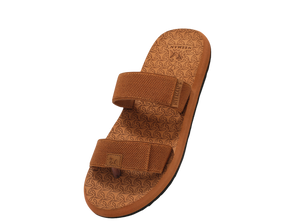
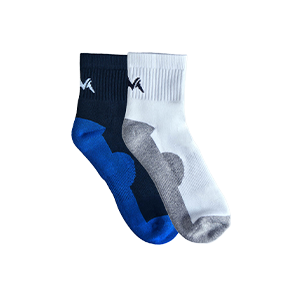
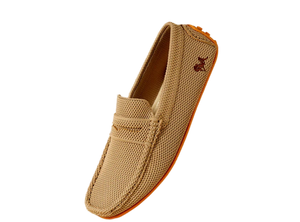
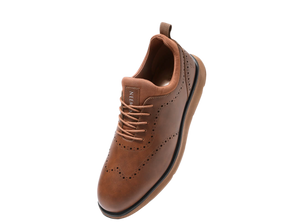
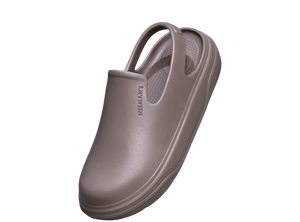
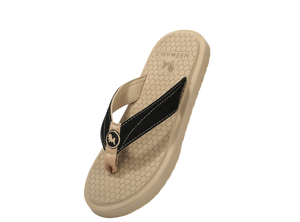
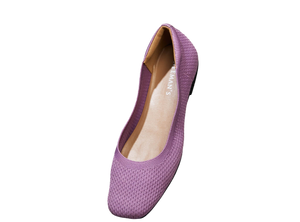






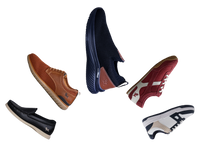





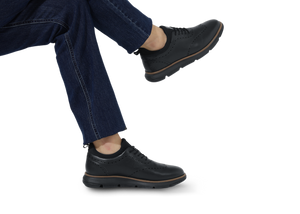
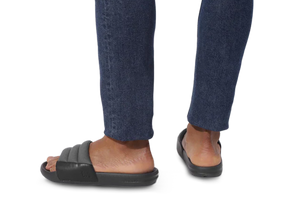
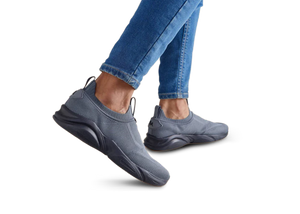
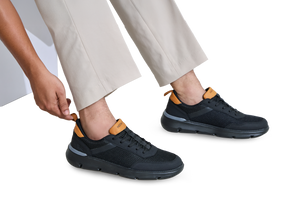




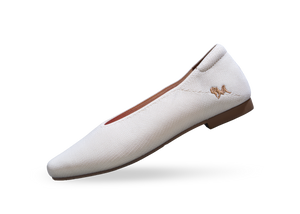
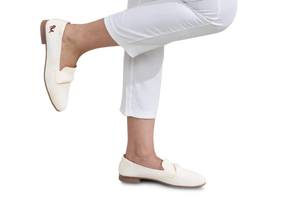





Watch what Indian men actually wear once they cross their late twenties. The Oxford stays in the box. The chunky sneaker gets retired to weekends. The formal-looking loafer, quietly, becomes the daily driver.
This is not a trend. It is a category quietly winning. This blog is about buying loafers for men well, and which type belongs where.
Why Loafers for Men Have Quietly Won the Dress Code
The rise of the loafer in Indian menswear did not come with a viral moment. It came from a structural shift. Modern Indian offices stopped policing footwear tightly. Weddings moved toward comfort over ceremony. Hybrid workdays created a category of days that were neither formal nor casual.
The loafer fits all of it. Dressy enough for a client meeting, easy enough for a metro ride, quick enough to slip on when a delivery arrives.
The Five Loafer Types for Men Worth Knowing
Loafers are not one shoe. The category splits into recognisable sub-types.
-
Penny loafers. Classic slot-strap loafer. Traditional, versatile, works with denim and formal trousers.
-
Tassel loafers. Decorative tassels replace the penny strap. Slightly dressier. Works well for evening events.
-
Horsebit loafers. Metal-bit detail across the vamp. The most formal of casual loafers. Business-formal offices.
-
Driving loafers. Soft rubber-nubbed soles, unstructured uppers. Casual only. Great for travel and coastal weather.
-
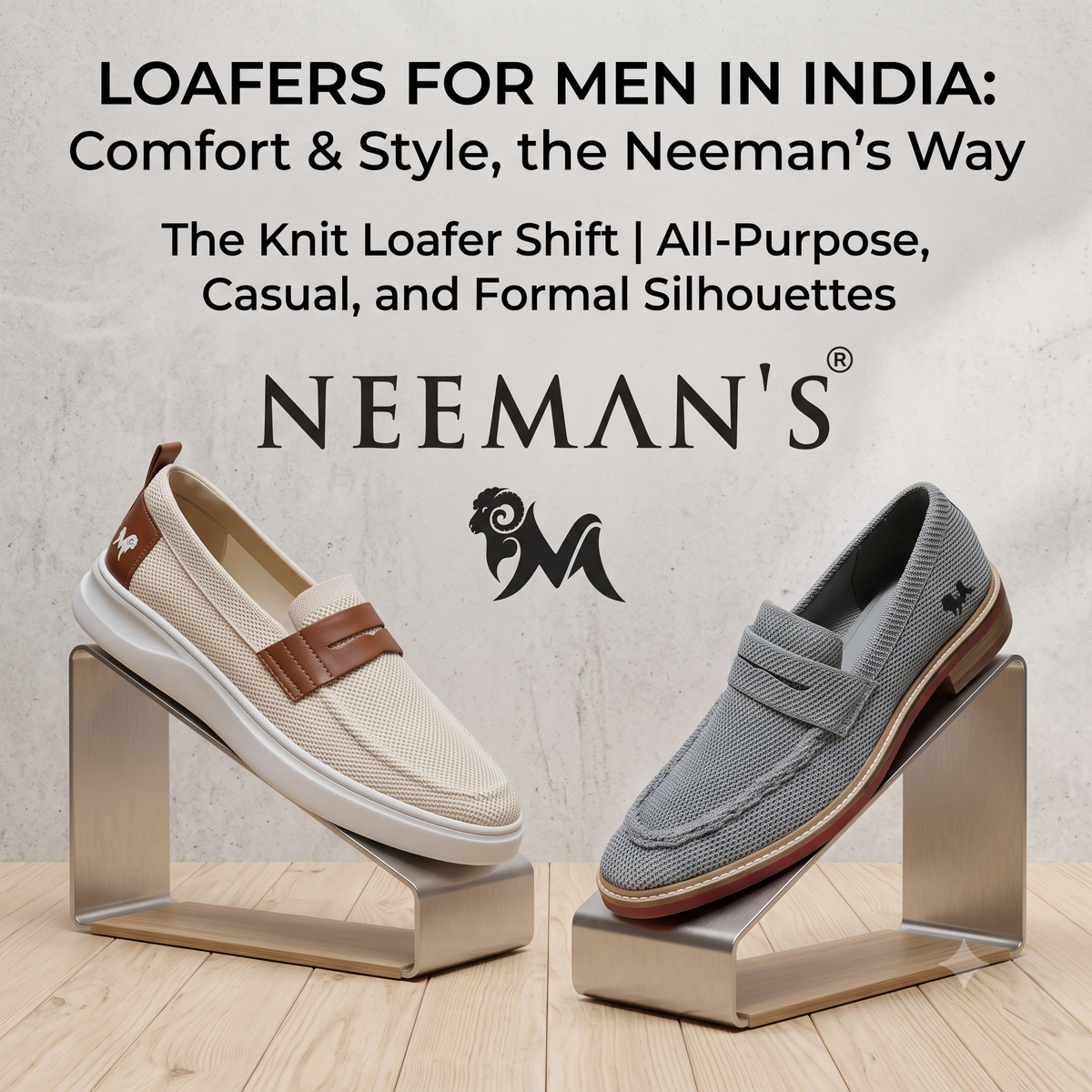
Knit and modern loafers. Traditional silhouette, sneaker-adjacent construction. Comfort-first pick for hours on your feet.
The Loafer Every Indian Man Should Own First
If you can only own one pair of loafers, own an all-purpose pair in a versatile colour. Dark brown, tan, or classic black.
This is the pair that goes with chinos on Wednesday and denim on Saturday, works at a business-casual office and passes at a wedding reception.
The loafers for men collection at Neeman's covers this all-purpose category across colours and price points.
The Knit Loafer Is the Comfort Shift Worth Understanding
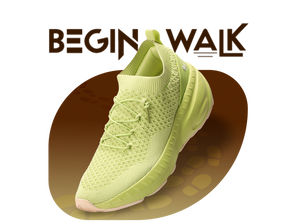
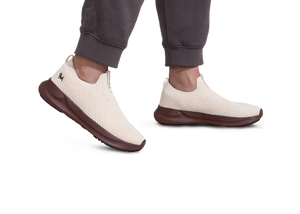
The most important development in loafers for men in the last five years is the knit loafer. It looks like a leather loafer from a metre away. Same silhouette, same footprint in the outfit. But the upper is woven fabric instead of leather.
The practical benefits are real.
-
No break-in period. Comfortable from day one.
-
Better breathability. Handles Indian humidity without the sweat build-up leather causes.
-
Machine washable in many cases. Care load is dramatically lower than leather.
-
Consistent look across life. Does not crease or age the way leather does.
What to Check Before Buying Loafers for Men
Before spending, run through this quick list.
-
Heel fit. No vertical slip when you walk. Loafers have no laces to compensate later.
-
Vamp snugness. Should feel secure without pinching. Leather stretches slightly, knit does not.
-
Sole quality. Rubber for daily wear, leather for formal-only use.
-
Silhouette matches setting. Formal silhouette for office. Casual for weekends.
-
Return policy. Loafers are unforgiving on fit. Free exchange matters.
Brown or Black: The Loafer Debate
For loafers, the answer flips from formal shoes. If you can only buy one pair, brown is the safer bet. It works with more of your existing wardrobe, reads warmer, and pairs better with the casual-to-business-casual range where loafers actually live.
Black loafers are appropriate but slightly more restrictive. They work best with dark trousers and can look severe with lighter chinos. If you can buy two pairs, brown first, then black or a second brown shade.
The Casual Loafer for Weekends and Warm Weather
One category most Indian men underrate is the casual loafer. The pair you wear on weekends, coastal trips, and long-lunch Sundays. Softer construction, more forgiving fit, colours that lean playful rather than corporate.
For weekend-forward loafers, the loafers for men collection at Neeman's includes casual variants alongside the formal ones.
The Fit Nuance That Applies Only to Loafers
Loafers have no laces to adjust. Which means the initial fit has to be right. There is no compensating with lacing tension later.
Two specific things to check. The heel should sit close enough that there is no vertical slip when you walk. A bit of slip on day one becomes a lot of slip after a month. The vamp should feel snug but not tight. Leather loafers stretch slightly. Knit loafers stretch almost not at all.
If you are between sizes, size down for leather loafers and take your true size for knit.
Signs Your Current Loafers Are Done
Loafers fail gradually. Watch for these signs.
-
Heel slip. Started subtle, now obvious. The counter has stretched or collapsed.
-
Sole thinning. Especially at the heel. Grip and cushioning both compromised.
-
Upper creasing deeply. Persistent flex-point creases signal end of visual life.
-
Insole flattened. The bounce that used to be there is gone.
-
Colour fading unevenly. Cosmetic, but a signal the pair has aged past its prime.
What Smart Loafer Buyers Do Differently
The men who own loafers that get worn daily share a few habits.
-
Buy for the actual dress code. Not the imagined one.
-
Rotate two pairs. One formal, one casual. Or one leather, one knit.
-
Condition leather monthly. A small tin lasts years.
-
Use shoe trees. Maintains shape between wears.
If you are building a modern office rotation, the loafers for men, formal shoes for men, and slip-on shoes collections at Neeman's cover the range.
People Also Ask About Loafers for Men
Are loafers for men appropriate for daily office wear?
Formal loafers pass in most modern Indian offices, including business-casual, hybrid, and startup environments. Traditional finance, law, and strict-corporate settings still expect laced formal shoes. Match the loafer formality to the workplace dress code.
Are loafers for men supposed to be worn with socks?
Formal loafers work with dress socks in complementary colours. Casual loafers work with no-show socks. Loud logo socks pull loafers into casual territory. For office wear, socks in dark neutrals matching the trouser are the safe choice.
Which are more comfortable: loafers or formal shoes for men?
Loafers are generally more comfortable across a full day because there are no laces creating pressure lines and the slip-on fit accommodates foot swelling. Modern knit loafers are more comfortable than any leather formal shoe. Traditional leather loafers still need break-in.
Can loafers for men be worn with jeans?
Yes. Loafers with dark denim read as intentional smart-casual. Loafers with distressed or light-wash denim work for casual weekend wear. Formal dress loafers work better with dark straight-leg denim than with casual denim.
How often should loafers for men be replaced?
Well-made leather loafers last three to five years with care. Knit loafers last two to four years. Watch heel fit and sole wear rather than upper appearance. A leather loafer with a stretched heel counter has aged past its function even if it looks fine.

Leave a comment