


































Ask any Indian man where his current pair of chappals came from, and the answer is usually the same. Corner shop. Bought in a hurry. Cost less than the parking ticket he paid on the way home.
That habit is fine for the pair you keep by the door for parcels. It is a costly habit for the pair you actually wear for hours a day. This blog is about buying chappals for men worth keeping.
Why the Corner-Shop Chappal Costs More Than You Realise
A cheap chappal from the crossroads shop lasts three to six months. You replace it two or three times a year. Across three years, you have spent the same money as one well-chosen chappal that would have still been going strong.
The cost maths is close to identical. The comfort maths is not. This is one of the clearest cases where cheap is not actually cheaper.
What Chappals for Men Are Actually Supposed to Do
Modern chappals for men have two jobs.
-
Get on your feet fast. Quick on-off with no bending down or hunting for the second one.
-
Stay comfortable across hours. Support your arch, cushion your heel, protect your feet from hot floors.
-
Protect from surface damage. Rough pavements, wet monsoon floors, and low-grade concrete wear.
-
Read as intentional footwear. Not something inherited from the last hotel stay.
The Slip-Fast Chappal Category Worth Understanding
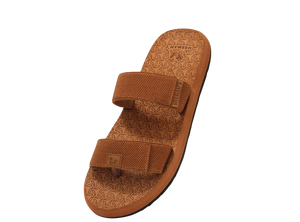
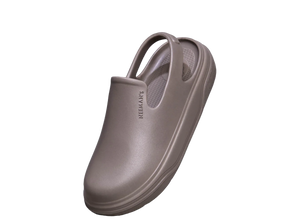
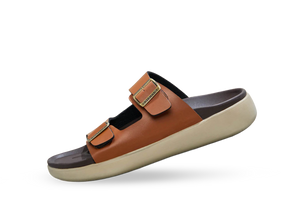
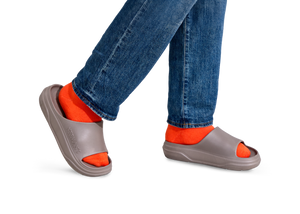
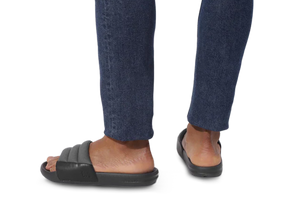
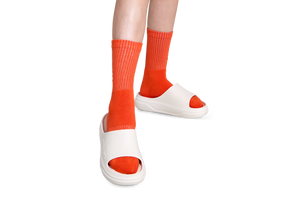
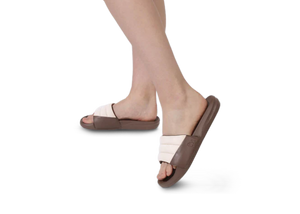
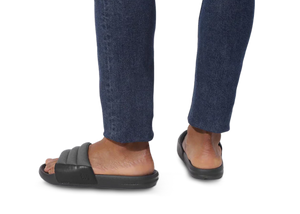
The single most underrated category in men's chappals is the modern slide-style pair. One strap across the foot, contoured footbed, quick-on quick-off. For the way most Indian men actually use chappals, this shape is more practical than traditional two-strap sandals.
The slides for men collection at Neeman's covers the modern slide-style category across cushioned and structural options.
When to Choose a Traditional Two-Strap Chappal
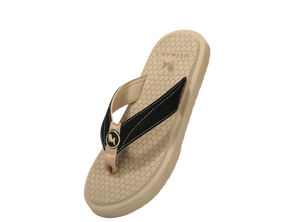
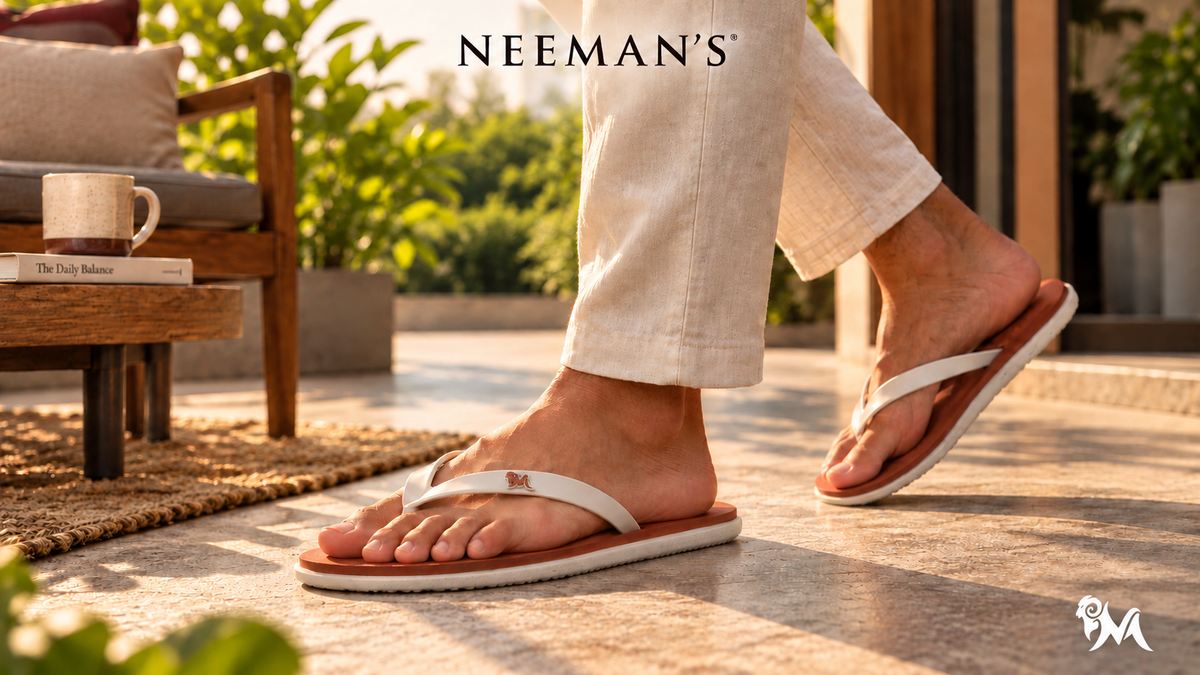
The traditional two-strap chappal has not disappeared. It still makes sense for daily use, especially if you want more foot security than a single-strap slide gives you.
A modern take on the shape keeps the familiar look but adds cushioned footbeds and contoured arch support. This is the pair for men who want the familiar chappal silhouette without the familiar chappal problems.
What to Check Before Buying Chappals for Men
Before spending, run through this quick list.
-
Arch support. Press the middle of the footbed. It should resist your thumb.
-
Strap material. Real leather, dense knit, or webbing. Cheap PU cracks in months.
-
Sole grip. Rubber with visible tread for wet floors.
-
Sole thickness. Thick enough to protect from hard tile.
-
Colour that ages. Neutrals hold up. Bright colours date fast.
The Cork Chappal Nobody Tells You About
Somewhere between chappals and sandals sits the cork-footbed category. Cork is naturally shock-absorbing, warms up and moulds to your foot within a few weeks, then stays supportive for years.
For men who wear chappals hours daily, the cork footbed is a genuine comfort upgrade over EVA or rubber.
The sandals for men collection at Neeman's includes cork-footbed pairs worth looking at if you are ready to upgrade from a basic daily chappal.
The Monsoon Chappal Problem
Indian monsoons are hard on chappals. Leather stains. Fabric linings hold water. Smooth soles slip on wet market floors.
The solution most well-prepared Indian men use is simple. Keep a dedicated monsoon pair with rubber outsole and no leather, and save the leather pair for the drier months. A basic monsoon backup pair costs less than replacing a leather pair every rainy season.
The Arch Support Test Every Chappal Should Pass
Here is a simple test. Press your thumb into the middle of the chappal footbed, roughly where your arch would sit. If it dents easily to the base and stays dented, the sole is too soft. Your arch is going to spread across it over the day.
If it resists your thumb and springs back, the footbed has structure. Most cheap corner-shop chappals fail this test. Most quality chappals pass it. Three seconds saves you months of foot discomfort.
Signs Your Current Chappals Are Done
Chappals fail invisibly. Watch for these signs.
-
Flat footbed. The arch support is gone.
-
Loose straps. The chappal shifts across the foot with each step.
-
Thin sole. You feel hard floors through the base.
-
Persistent odour. The footbed has absorbed too much sweat to recover.
-
New evening foot fatigue. A pair that used to work no longer does.
What Smart Chappal Buyers Do Differently
The men who own chappals worth keeping share a few habits.
-
Buy one good pair. Wear it for years. Skip the discount cycle.
-
Rotate two pairs in high-use months. Extends life meaningfully.
-
Rinse after wet-environment use. Prevents mineral build-up.
-
Keep a dedicated monsoon backup. Saves the good pair from stains.
If you are building a small chappal rotation, the slippers for men, sandals for men, and flip flops for men collections at Neeman's cover the range.
People Also Ask About Chappals for Men
Are chappals for men suitable for outdoor daily wear?
Chappals for men designed for outdoor use have durable outsoles with real tread and structural straps. Basic house chappals wear through faster on hard outdoor surfaces. Keep separate pairs for indoor and outdoor use if you use them both regularly.
Which chappals for men are best for monsoon?
Synthetic chappals with rubber outsoles and no fabric linings handle monsoons best. Leather chappals stain from repeated wet exposure. Keep a dedicated monsoon pair for the rainy months and rotate back to leather for the drier eight months.
Can chappals for men be worn with ethnic wear?
Leather chappals in traditional Kolhapuri-inspired styles pair well with kurta pyjamas and casual ethnic wear. Modern flat-strap chappals also work with contemporary ethnic-Western hybrid outfits. Sport-style chappals do not pair with ethnic wear.
How often should chappals for men be replaced?
For daily wear, expect eight to eighteen months before comfort compromises. Cork-footbed pairs last longer. Watch the arch support and strap grip rather than the surface appearance to decide when to replace.
Are cork chappals for men worth buying?
Cork-footbed chappals mould to your foot over weeks and stay supportive for years. For men who wear chappals hours daily, this is a meaningful upgrade over flat EVA. Cork pairs cost more up front but last longer, so the cost per wear is often lower.

Leave a comment