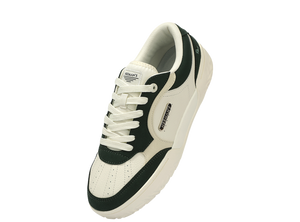
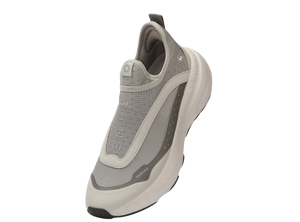
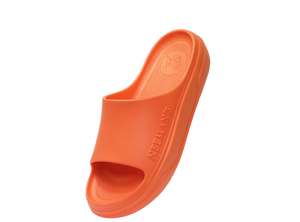
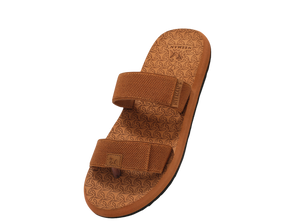





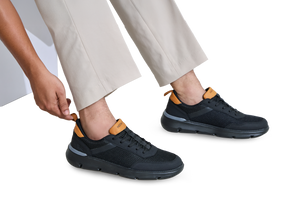







Sports Shoes for Men: How to Choose the Right Pair for Your Needs
Here is a question worth sitting with. What is the actual sport your sports shoes see?
For most Indian men, the honest answer is "none". The pair sitting in the rack was bought as running shoes but used for walking. This blog is about buying sports shoes for men that actually match what you do.
Why Sports Shoes for Men Are Sold Wrong
Sports shoes for men in India are sold under athletic labels but used, almost universally, for non-athletic life. Once you accept that, buying the right pair gets easier.
Real running shoes are engineered for repetitive forward stride at specific speeds. Real training shoes are engineered for lateral movement and weight-bearing. Real court shoes are for grippy stops and pivots. Each design makes trade-offs that only pay off when you actually do the sport.
The Four Categories of Sports Shoes for Men That Matter
Most Indian men mix these categories up. Getting them straight makes buying easier.
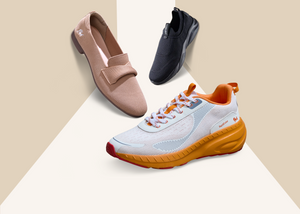
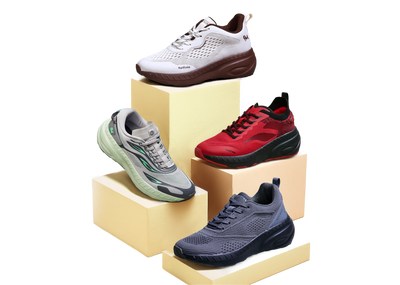
● Running shoes. Thick, cushioned midsole with forward heel-to-toe drop. Right if you run more than 15 kilometres a week.
● Training shoes. Flatter, firmer soles for stability during weight-bearing and lateral moves. Right for mixed gym use.
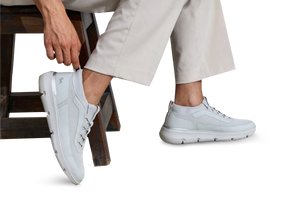
● Walking shoes. Running-shoe cushioning tuned for walking speeds and standing hours. The most under-recognised category.
● Court shoes. Grippy outsoles and reinforced sides for tennis, badminton, squash. Only worth it if you play.
The Walking Shoe Is What Most Indian Men Should Actually Buy
Here is the underrated truth. The average Indian professional walks between 6,000 and 12,000 steps a day. Metro commutes, office corridors, evening errands, weekend markets. That is a walking use case, not a running one.
A walking shoe engineered for this life will feel better, last longer, and protect your knees more than a running shoe used for the same job.
The walking shoes for men collection at Neeman's is filtered specifically for this profile.
When You Should Actually Buy Running Shoes for Men
There is a right buyer for a dedicated running shoe. If you run more than 15 kilometres a week, run in continuous stretches longer than 20 minutes, or have running as a genuine fitness commitment, real running shoes pay back.
The forward-drop geometry, the cushioning tuned for repeated impact, the outsole tread designed for road running. These matter when you actually run.
If that describes you, the running shoes for men collection at Neeman's is the direct starting point.
What to Check Before Buying Sports Shoes for Men
Before spending, run through this quick list.
● Match the shoe to the sport. Not the label. Running shoes are for running. Trainers are for mixed gym use.
● Weight. Under 300 grams per shoe for recreational use. Lighter feels dramatically different after 8,000 steps.
● Cushioning tuning. Firm enough for stability, cushioned enough for impact. Too soft is worse than too firm.
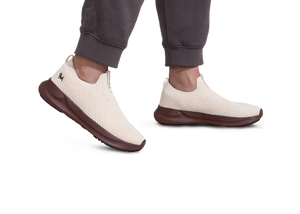
● Breathability. Knit or mesh uppers for Indian humidity.
● Outsole for surface. Road, gym, or court. Each has different tread demands.
The Gym Shoe Problem Nobody Talks About
If you lift weights seriously, a running shoe is actively wrong for the gym. The soft compressible midsole is unstable under load. This is why every serious lifter eventually switches to a flatter, firmer trainer.
For gym-goers who mix cardio and weights, a training shoe covers both jobs better than a running shoe covers either.
Weight Matters More Than You Think
Every 100 grams of shoe weight adds roughly 1% to the energy cost of each step. Over a 10,000-step day, that is meaningful. The difference between end-of-day tiredness that has an obvious cause and end-of-day tiredness that does not.
Sports shoes above 350 grams per shoe are rarely worth buying for recreational use. Look for pairs under 300 grams. Look for pairs under 250 if you can find them at your price point.
Signs Your Current Sports Shoes Are Done
Sports shoes wear out on a specific timeline. Watch for these signs.
● Midsole compression. Press with your thumb. If it barely resists, cushioning is done.
● Outsole wear pattern. Uneven heel wear affects gait and joint alignment.
● New knee or shin pain. Often the shoe has aged past its function before you notice.
● Persistent odour. The interior fabric has absorbed too much sweat.
● Reached kilometre limit. Running shoes last 500-800 km. Track distance if you use them for real running.
What Smart Sports Shoe Buyers Do Differently
The men who own sports shoes that actually work for their activity share a few habits.
● Buy for the actual activity. Not the aspirational one.
● Rotate two pairs if you run seriously. Extends life of both.
● Track kilometres. Not months, for running shoes.
● Replace before pain starts. The shoe usually fails before the body announces it.
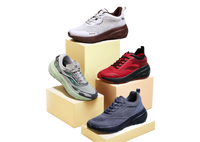
If you are building an athletic rotation, the sports shoes for men, walking shoes, and running shoes collections at Neeman's cover the range.
People Also Ask About Sports Shoes for Men
Are running shoes for men okay for daily wear?
Running shoes are engineered for repeated forward impact. Used for standing, walking, or casual daily wear, they wear down faster and provide less stability than shoes tuned for those uses. If you do not actually run, a walking shoe or casual sneaker serves you better.
Which sports shoes for men are best for the gym?
Cross-trainers or knit trainers cover mixed gym use better than running shoes. They are flatter for stability during lifts, breathable for cardio, and light enough for hour-long sessions. For pure lifting, a firmer flat trainer is better than any cushioned running shoe.
How often should sports shoes for men be replaced?
Running shoes last 500 to 800 kilometres of actual running. For a runner logging 20 kilometres a week, that is six to ten months. Casual sports shoes used for daily wear last 12 to 24 months. Watch cushioning response rather than appearance.
Do sports shoes for men need break-in?
Modern athletic shoes typically need no break-in. If the pair feels uncomfortable on day one, it will not improve with wear. Return and exchange rather than pushing through discomfort, which usually means the fit is wrong.
Can sports shoes for men be worn to office?
Clean-silhouette athletic-adjacent sneakers pass in modern business-casual offices. Traditional sport shoes with visible tech features, chunky athletic construction, or loud branding do not. If it looks like it belongs in a gym, it does not belong in an office.
Leave a comment