

























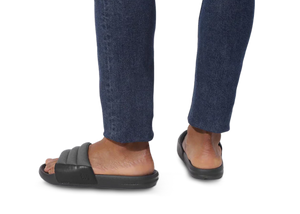



Sandals for Men: Understanding Different Styles & Choosing the Right Pair
For eight months of the year in most of India, closed shoes trap heat and moisture your feet do not want trapped. Sandals let your feet breathe. This is not a compromise for summer. It is the correct default for a hot country.
And yet, most Indian men in 2026 buy sandals badly. Discount pair, one season, replace with the next discount pair. This blog is about buying sandals for men worth keeping.
Why Sandals for Men Deserve Serious Buying Attention
The sandal is one of the most-worn footwear categories in Indian men's lives. For most professionals, it is the pair that handles the morning tea, the market run, the family visit. Add up the hours and the sandal is doing more work than most men realise.
That volume of use is exactly why the buy-cheap-replace-often cycle does not make sense here. A discount sandal fails on comfort within weeks, on the strap within months, and on the sole within a season.
The Four Sandal Categories for Men Actually Worth Knowing
Most Indian men treat all open-toe footwear as one category. It is not.
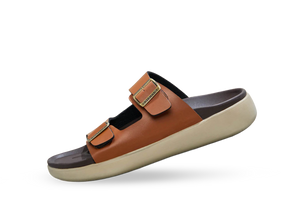
● Leather sandals. Traditional daily wear including Kolhapuri-influenced styles. Age well, mould to your feet over months.
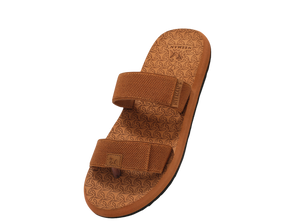
● Cork-footbed sandals. Contoured cork moulds to your foot and supports it for years. Best combination of comfort and longevity.
● Sports and travel sandals. Webbing or synthetic straps, grippy soles, adjustable fit. Right for hiking, travel, wet environments.
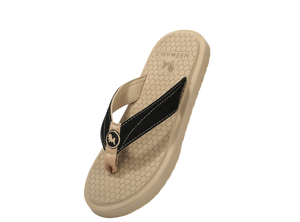
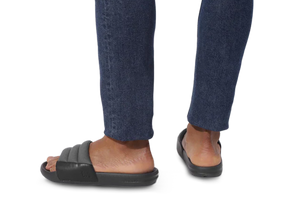
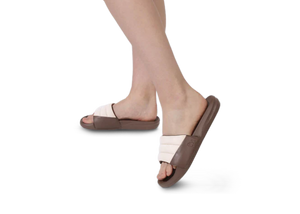
● Thong-style sandals. Strap between toes with a footbed larger than a flip-flop. Bridge between formal-ish and casual.
The Cork Sandal Is the Best-Kept Secret
The cork-footbed sandal is the pair well-informed Indian men are quietly wearing. Cork is naturally shock-absorbing, warms up and moulds to your foot within a few weeks, then stays supportive for years. Long after foam has flattened into uselessness.
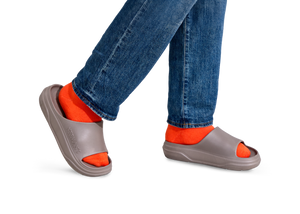
If you want to try the category, the sandals for men collection at Neeman's covers cork-footbed pairs across leather and thong styles.
Kolhapuri vs Modern Leather Sandals for Men
Traditional Kolhapuris are beautiful and culturally significant. But the flat sole and lack of cushioning make them uncomfortable for hours of daily wear. Modern leather sandals keep the Kolhapuri aesthetic but add contoured footbeds and cushioned midsoles.
If sandals are ceremonial wear for you, real Kolhapuris are worth the discomfort. If sandals are daily wear, modern comfort-first designs will serve you far longer.
What to Check Before Buying Sandals for Men
Before spending, run through this short list.
● Footbed material. Cork, contoured EVA, or leather-lined. Not flat foam.
● Strap durability. Real leather, dense knit, or webbing. Cheap PU cracks in months.
● Sole grip. Rubber outsole with visible tread depth for wet floors.
● Strap adjustability. Especially important for foot-shape variation.
● Toe box protection. If you will wear them outdoors on uneven surfaces.
The Sandal That Handles City Commutes Without Complaining
There is a specific problem few sandals solve. The Indian city commute in summer. Long walks between metro and office, rickshaw hops, occasional running for a bus, wet monsoon pavements.
Most sandals fail at one of these. Leather stains. Foam compresses. Straps chafe. A commute-tuned sandal has durable straps, grippy outsole, quick-dry materials, and a footbed that does not compress after four months.
When Sports Sandals for Men Actually Make Sense
Sports sandals get dismissed as tourist gear by most Indian men. That is not wrong for daily wear.
But if you travel often, spend time near water, or do any hiking, a good pair of sports sandals is one of the highest-utility pieces of footwear you can own. One pair covers beach, city walking, light hiking, and casual dinner.
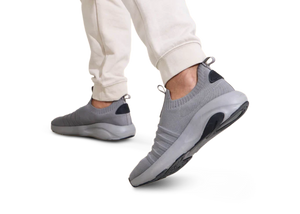
The sandals for men collection at Neeman's includes knit-strap sports options that handle Indian humidity better than traditional webbing.
The Monsoon Sandal Problem
Indian monsoons destroy leather sandals. This is why well-prepared Indian men keep a separate synthetic pair for the rainy months.
● Rubber outsoles with real tread. Not smooth EVA, which slips on wet market floors.
● Quick-drying materials. No fabric linings that hold moisture.
● No leather straps. Water staining does not fully come out.
● Separate storage. Keep monsoon and non-monsoon pairs apart.
Signs Your Current Sandals for Men Are Done
Sandals fail gradually. Watch for these signs.
● Footbed compression. The contour you used to feel is flat.
● Strap stretching. The pair slips off your foot when you lift your leg.
● Sole thinning. Grip is compromised. Wet floors become dangerous.
● Persistent odour. The footbed has absorbed too much sweat to recover.
● Colour fading unevenly. Cosmetic, but a signal the pair has aged.
What Smart Sandal Buyers Do Differently
The men who own sandals worth keeping for years share a few habits.
● Match the pair to the environment. Daily wear, monsoon pair, sport pair. Not one-fits-all.
● Rotate two pairs in high-use months. Extends lifespan meaningfully.
● Rinse after wet-environment use. Prevents mineral build-up and strap deterioration.
● Store away from direct sun. UV degrades straps and colour.
For a full open-toe rotation, the sandals for men, slides for men, and flip flops for men collections at Neeman's work together.
People Also Ask About Sandals for Men
Are sandals for men suitable for office wear?
Formal-styled leather sandals and cork-footbed sandals pass in modern business-casual offices during summer. They are not appropriate for strict-formal workplaces or client-facing corporate settings. Sport sandals with visible webbing straps are not office-appropriate anywhere.
Which sandals for men handle Indian monsoons?
Synthetic sandals with rubber outsoles and no fabric linings handle monsoons best. Leather sandals stain and warp from repeated wet exposure. Keep a dedicated monsoon pair for the rainy months and save leather sandals for the drier eight months of the year.
Cork or leather sandals for men, which is better?
Cork footbeds mould to your foot over weeks and stay supportive for years. Traditional leather sandals age with character but offer less structural arch support. For daily comfort across hours, cork footbeds usually win. For traditional aesthetic and long-term ageing, leather uppers add value.
How often should sandals for men be replaced?
Daily-wear sandals last 12 to 24 months before footbed compression and strap wear compromise comfort. Cork-footbed pairs often last longer because cork does not flatten the way foam does. Watch the footbed contour and strap grip rather than surface appearance.
Are sports sandals for men worth buying?
Sports sandals are worth buying if you travel often, hike, or spend time near water. One pair covers beach, city walking, light hiking, and casual dinner. For men who never do these things, sport sandals are one of the most under-utilised categories in Indian wardrobes.
Leave a comment