























Formal Shoes for Men: Everything You Need to Know Before Buying
Somewhere in most Indian men's homes, there is a box under the bed containing a pair of formal shoes that has not been worn in eight months. Bought for a wedding, worn for six hours, and quietly forgotten. The shoes are fine. The problem is the man does not know what occasion to wear them to anymore.
This is the honest state of formal shoes for men in India in 2026. This blog is about buying formal shoes for men that actually get worn, and understanding the shift that has happened in Indian dress codes.
Why Formal Shoes for Men Are Not What They Used to Be
For decades, the answer to "what formal shoes should I buy" was simple. Black Oxfords. Office, weddings, interviews, funerals. One decision covered a decade.
That answer stopped being universally correct around 2018. Modern Indian offices quietly dropped closed-lace expectations. Business casual became business normal. By 2026, the daily-driver formal shoe for most professional Indian men is no longer an Oxford. It is something smarter, softer, more forgiving of an eight-hour workday.
The Five Types of Formal Shoes for Men Worth Knowing
Understanding the five types clarifies almost every buying decision.
● Oxfords. Closed lacing sewn under the vamp. The most formal option, for traditional finance, law, formal weddings.
● Derbys. Open lacing sewn on top of the vamp. Less formal, better for higher insteps, more forgiving as daily wear.
● Monk straps. Buckle closure instead of laces. Formal enough for most offices, distinctive without being loud.
● Brogues. Any of the above with decorative perforations. Slightly less formal, well-suited to weddings.
● Formal loafers. Slip-on formal category. Right for business-casual offices and modern weddings.
The Formal Shoe Most Indian Men Should Actually Buy First
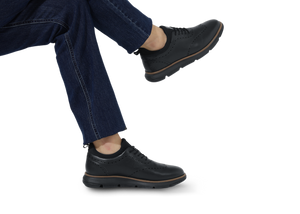
If you are starting from scratch, the honest recommendation is not a black Oxford anymore. It is a dark brown or black Derby, or a monk strap, or a well-made formal loafer.
The reason is coverage. Derbys and monks pass in almost every Indian workplace, work at most weddings, and do not look overdressed in the settings where Oxfords now do.
For a first serious pair, the formal shoes for men collection at Neeman's is filtered by silhouette and dress code, so shortlisting is faster than reading generic reviews.
The Comfort-Formal Shift That Is Rewriting the Category
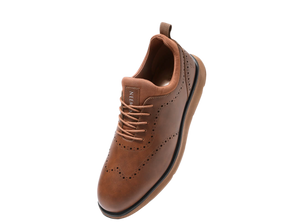
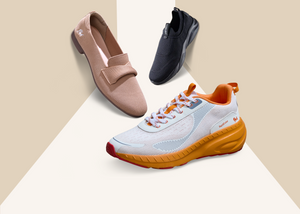
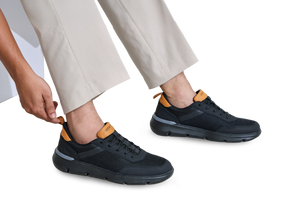
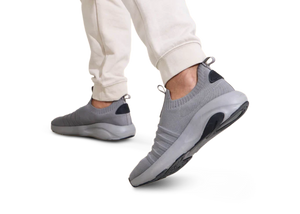
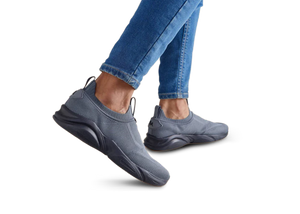
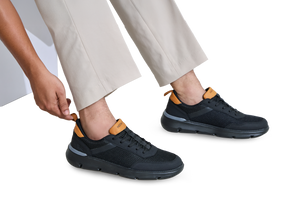
The most important development in formal shoes for men in the last five years is the sneaker-formal hybrid. Shoes that read as formal from a metre away, but underneath use running-shoe cushioning and flexible outsoles.
For men who stand or walk more than eight hours in formal shoes daily, this shift is genuinely life-changing.
● Cushioned midsole. Absorbs impact from hard Indian floors across a full workday.
● Flexible outsole. Moves with your foot instead of fighting it.
● Breathable upper. Handles Indian humidity without trapping heat.
● Formal silhouette. Passes at business-casual and business-formal dress codes.
What to Check Before Buying Formal Shoes for Men
Before spending, run through this quick list.
● Upper leather or material. Full-grain leather or engineered knit. Not "PU leather".
● Outsole construction. Stitched is better than glued for lifespan.
● Heel counter. Press the back. It should resist your thumb.
● Insole cushioning. Removable insoles and enough underfoot padding to survive eight hours.
● Break-in requirement. Leather needs a week of shorter wears. Knit does not.
Black or Brown: An Old Debate Worth Settling
If you can only own one pair of formal shoes, buy black. Black works with navy, grey, charcoal, and black suits. It works in traditional formal offices where brown still reads slightly casual. It works at funerals. Universally safe.
If you can own two, add brown next. Brown formal shoes are more versatile in business-casual settings, work well with khakis and dark denim, and read as warmer and more modern. Black plus one shade of brown covers roughly 95% of formal occasions.
The Formal Loafer Is Having Its Moment for a Reason
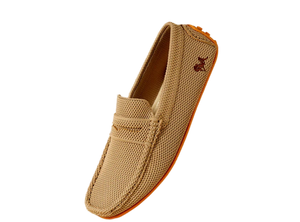
The formal loafer used to be the compromise choice. That has changed. In modern Indian professional life, the formal loafer has become the default choice for hybrid workdays, business-casual offices, and modern weddings.
They are easier to put on, harder to trip over, and comfortable enough for a nine-hour day.
If your workplace allows this level of formality, the loafers for men collection at Neeman's covers formal loafers across leather and knit constructions.
The Fit Rule That Applies Only to Formal Shoes
Formal shoes fit differently from sneakers. There should be no daylight between your heel and the shoe. The toe box should be roomy without being loose.
Crucially, leather formal shoes need a small break-in period, usually a week of shorter wears before you commit them to an all-day event. Buying leather formals for a wedding two days away is one of the most common mistakes Indian men make.
Signs Your Current Formal Shoes Are Done
Formal shoes fail gradually. Watch for these signs.
● Sole wearing thin. Especially at the heel. Grip and cushioning both compromised.
● Upper cracking at flex points. Ball of foot and toe crease. Cannot be repaired.
● Heel counter collapsed. The shape is gone even after polishing.
● Persistent creasing. Deep vertical creases across the vamp signal end-of-life.
● Comfort loss. The pair that used to work no longer does. Time to replace.
What Smart Formal Shoe Buyers Do Differently
The men who own formal shoes that actually get worn share a few habits.
● Match shoe to workplace, not tradition. Modern offices have modern expectations.
● Own two pairs, not five. One daily driver, one for occasions.
● Polish weekly if leather. Ten minutes across a month keeps leather looking good.
● Use shoe trees. Maintains shape and absorbs moisture between wears.
If you are building an office rotation, look at the formal shoes for men, loafers for men, and office shoes for men collections at Neeman's together.
People Also Ask About Formal Shoes for Men
Which formal shoes for men are best for daily office wear?
Derbys, monk straps, and formal loafers work better than Oxfords for most modern Indian offices. Oxfords remain best for the strictest formal contexts. For eight-hour workdays, comfort-formal versions with cushioned midsoles hold up meaningfully better than traditional stiff-leather formals.
Are formal shoes for men supposed to be tight?
Formal shoes should fit snugly at the heel with no vertical slip, roomy at the toe box, and secure across the vamp. Tight is not correct. If the shoe feels tight on day one, it will not stretch enough to become comfortable. Try in the evening when feet are slightly swollen.
Do formal shoes for men need break-in?
Real leather formal shoes need a break-in period of about a week of shorter wears before committing them to a full-day event. Knit-formal shoes and modern comfort-formal derbys typically need no break-in. Buying leather formals for a wedding two days away almost always ends in blisters.
What is the difference between formal shoes and dress shoes for men?
The terms overlap in India. "Formal shoes" usually refers to closed lace-ups appropriate for professional and ceremonial settings. "Dress shoes" covers the same range plus polished loafers and slip-ons that read as intentional dressed-up footwear. Both cover the same use cases.
How often should formal shoes for men be replaced?
Well-made leather formal shoes worn regularly last three to seven years with proper care. Comfort-formal derbys and knit loafers last two to four years. Watch the outsole, heel counter, and upper flex points rather than surface appearance to dec
Leave a comment